
Purple Cap Standings: The Ultimate Guide to Tracking Top Wicket‑Takers in Cricket 2026
If you are a fan of cricket, especially fast‑paced T20 leagues and international tournaments, one of the most exciting individual honours to follow is the Purple Cap standings. The Purple Cap standings represent a constantly changing leaderboard that highlights the bowlers who have taken the most wickets in a tournament. Unlike batting metrics that often grab the limelight, the Purple Cap standings focus purely on bowling excellence, showcasing consistency, skill, and the ability to deliver under pressure.
From passionate fans analysing every match to commentators dissecting bowling performances, the Purple Cap standings are a central part of following major cricket events. This article explores everything you need to know about the Purple Cap standings, from its origin to how it affects team dynamics, and even how to interpret the data. By the end, you will have a complete understanding of why the Purple Cap standings matter and what they say about bowling heroes.
Understanding What Purple Cap Standings Mean
To start, it’s important to define what the Purple Cap standings are. In cricket, particularly in leagues like the Indian Premier League (IPL), bowlers compete to take as many wickets as possible over the course of the season. The Purple Cap standings list these bowlers in order of wickets taken, with the top spot representing the leader. But it’s not just about raw numbers. The Purple Cap standings often include context like matches played, economy rates, and averages that help fans and analysts gauge who is truly dominating with the ball.
When you look at the Purple Cap standings during a tournament, you’ll see bowlers climb up the list after a standout performance. For example, a bowler who takes three or four wickets in a match can move several places up the Purple Cap standings, while another bowler who goes wicketless might slide down. It is dynamic and changes match by match, creating an additional layer of excitement for followers of the game.
The History and Origin of Purple Cap Standings
The concept of the Purple Cap standings became popular with the introduction of the purple cap award, most famously in the Indian Premier League. The idea was simple: reward the bowler with the most wickets at the end of the tournament. Over time, this evolved into the Purple Cap standings, a running tally that is updated after each match. Fans could track who was leading, who was pushing for the top position, and who might emerge as a surprise contender.
Prior to the formalisation of leagues like the IPL, discussions about leading wicket‑takers were more informal and varied by media outlet. The clarity brought about by the Purple Cap standings made it easier for everyone — from casual followers to expert statisticians — to see at a glance who was performing best. It gave bowlers a target to strive for and added a competitive edge beyond team results.
Why Purple Cap Standings Matter to Fans and Players
For fans, the Purple Cap standings are more than a statistic. They represent a story of persistence, strategy, and changing fortunes over the course of a cricket season. People enjoy debating whether current leaders in the Purple Cap standings will hold their position, or if emerging bowlers will upset the order. This kind of engagement keeps fans invested even in matches where their favourite team might not be playing.
From a player’s perspective, climbing the Purple Cap standings can boost confidence and reputation. Bowlers see their names listed alongside seasoned veterans and rising stars, often gaining recognition that can influence selections for other tournaments or national teams. It gives them personal goals to achieve while contributing to their team’s success.
How Purple Cap Standings Are Tracked
Tracking the Purple Cap standings requires careful statistical recording. Each match produces data on how many overs a bowler delivers, how many runs they concede, and how many wickets they take. These numbers are then aggregated across all matches played so far. The core metric for the Purple Cap standings is total wickets taken, but analysts often look deeper at related stats like strike rate and economy rate.
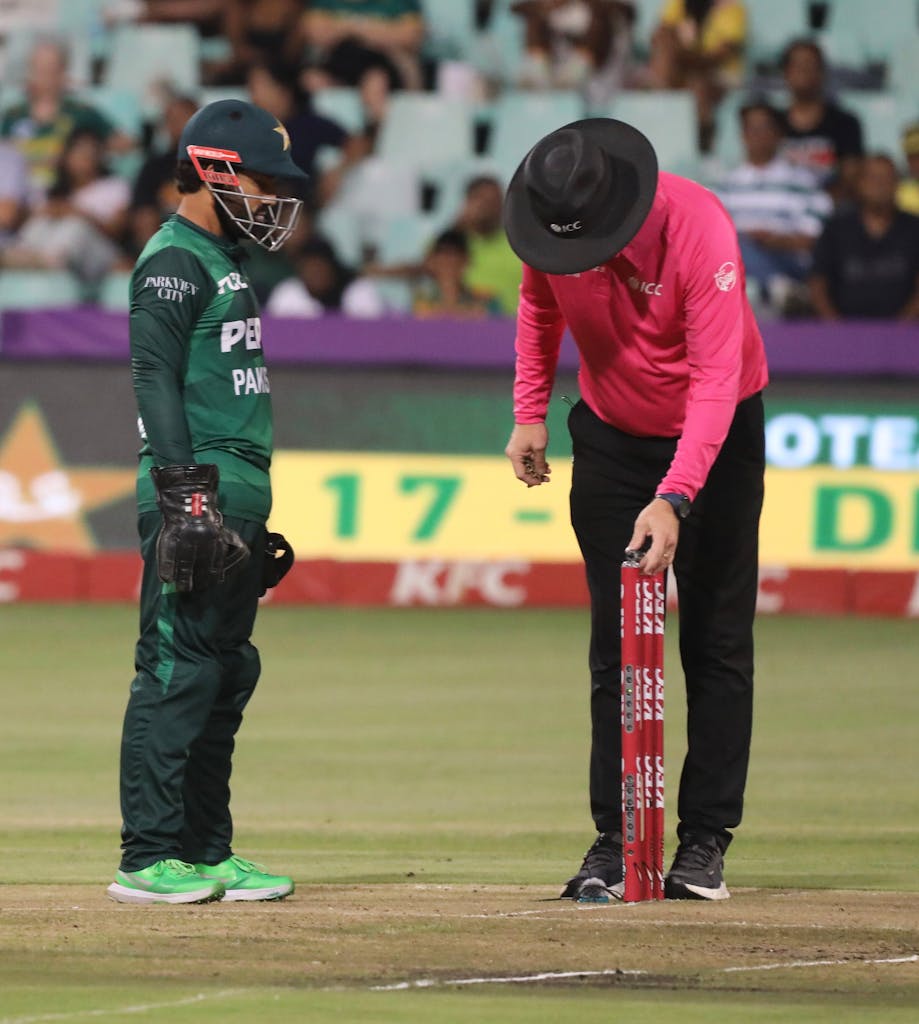
There are multiple platforms — websites, apps, and broadcast graphics — that update the Purple Cap standings in real time. After every match concludes, official scorers submit data that feeds into these systems. Fans can check the Purple Cap standings before a match to see who is in the lead, and then again afterwards to see how performances affected the leaderboard.
Key Metrics Linked with Purple Cap Standings
While the Purple Cap standings themselves focus on wicket count, related metrics help provide a fuller picture of a bowler’s performance:
- Economy rate: Bowlers listed in the Purple Cap standings may also be evaluated on how economically they bowl, showing how many runs they concede per over.
- Strike rate: This tells how many balls, on average, a bowler takes to get a wicket — a lower number indicates higher efficiency.
- Average: The average number of runs conceded per wicket can indicate effectiveness.
These metrics often correlate with shifts in the Purple Cap standings. A bowler leading the Purple Cap standings with a strong economy rate and strike rate is generally seen as more impactful than someone with the same number of wickets but weaker supplementary stats.
Impact of Purple Cap Standings on Strategy
Coaches and captains pay close attention to the Purple Cap standings because they reflect which bowlers are in form. A bowler near the top of the Purple Cap standings might be given more overs in crucial moments or selected for high‑pressure matches. Conversely, a bowler dropping in the Purple Cap standings may need to adjust tactics or work on specific skills.
Teams also use the Purple Cap standings to analyse opponents. Identifying bowlers high up the Purple Cap standings allows batting sides to develop strategies for countering them. This symbiotic relationship between individual performance and team tactics underscores the importance of the Purple Cap standings beyond simple numbers.
Memorable Campaigns in Purple Cap Standings History
Over the years, there have been some remarkable journeys up the Purple Cap standings. Bowlers who started a tournament quietly later became dominant threats, climbing steadily through consistent performances. Others grabbed early leads in the Purple Cap standings only to be overtaken as the season progressed. These storylines captivate fans and often become part of tournament lore.
Some seasons saw bowlers run away with the top spot in the Purple Cap standings, making it almost certain they would finish as the highest wicket‑taker. Others experienced fierce battles down to the final matches, with tiny margins separating the leaders. These ebbs and flows make the Purple Cap standings not just a list, but a dynamic narrative of competition.
How Fans Engage with Purple Cap Standings
Cricket followers interact with the Purple Cap standings through social media, fantasy leagues, and live match discussions. In fantasy cricket, players often set lineups based on bowlers ranked highly in the Purple Cap standings, anticipating that wickets will translate into fantasy points. Commentators reference the Purple Cap standings mid‑match to highlight the stakes — for example, if a bowler needs one more wicket to move into the top three.
Websites dedicated to cricket statistics allow fans to filter the Purple Cap standings by team, nationality, or even by specific match performances. This interactivity fuels deeper engagement and keeps supporters invested throughout a season.
The Relationship Between Purple Cap Standings and Team Success
While individual success in the Purple Cap standings doesn’t always guarantee team trophies, there is often a correlation. Teams with bowlers high in the Purple Cap standings typically have stronger bowling attacks, which can tilt close matches in their favour. A team with multiple bowlers contributing wickets may see balanced success both in the Purple Cap standings and in match results.
Yet cricket is a team sport, and extraordinary performances reflected in the Purple Cap standings must be complemented by strong batting and fielding to convert personal milestones into championships. This balance is part of what makes following the Purple Cap standings alongside overall tournament tables so fascinating.
Challenges and Criticisms of Purple Cap Standings
As popular as the Purple Cap standings are, there are debates about how they are interpreted. Critics argue that focusing solely on wicket counts can overlook bowlers who are consistently economical but do not take as many wickets. Others point out that match conditions, pitch behaviour, and bowling partners can influence a bowler’s chances of climbing the Purple Cap standings.
Despite these discussions, the Purple Cap standings remain a widely accepted and celebrated measure of bowling achievement. Analysts often pair them with other advanced metrics to provide a richer evaluation of performance.
Technology’s Role in Enhancing Purple Cap Standings Tracking
Advancements in data technology have transformed how the Purple Cap standings are compiled and presented. Real‑time scoring systems, machine learning algorithms, and interactive dashboards allow fans to see immediate updates to the Purple Cap standings after each game. These innovations also enable comparisons across seasons, giving historical context to current leaders in the Purple Cap standings.
Broadcasters use graphical representations of the Purple Cap standings during live coverage, making it easier for viewers to see how a current performance affects the leaderboard. Apps send alerts when a bowler moves up or down in the Purple Cap standings, ensuring fans never miss a development.
Preparing for Future Purple Cap Standings Battles
As cricket continues to evolve with new leagues and formats, the Purple Cap standings will remain a staple of competitive engagement. Emerging talent, changing strategies, and evolving game conditions will all influence future Purple Cap standings and the stories they reveal. Enthusiasts can look forward to watching rising stars challenge established bowlers and rewriting what it means to dominate with the ball.
FAQs About Purple Cap Standings
1. What exactly are the Purple Cap standings?
The Purple Cap standings are a leaderboard that ranks bowlers based on the number of wickets they have taken in a cricket tournament.
2. Do the Purple Cap standings only count T20 leagues?
While most associated with T20 leagues like the IPL, the Purple Cap standings concept can be applied to any cricket tournament where wicket counts are tracked.
3. How often are the Purple Cap standings updated?
They are updated after each match concludes, reflecting the latest wicket totals.
4. Can a bowler lead the Purple Cap standings without being economical?
Yes, the standings focus on wicket totals, though economy rates are often analysed alongside them for deeper insight.
5. Why do fans care about the Purple Cap standings?
They provide a way to follow bowler performance and add excitement as players compete for individual honours.

Conclusion
In every cricket tournament, the Purple Cap standings serve as a dynamic reflection of bowling excellence. From capturing the most wickets to influencing team strategies and fan engagement, the Purple Cap standings highlight the art of bowling in all its forms. Whether you’re analysing data, discussing performances with friends, or simply enjoying the thrill of a crunch wicket, understanding the nuances of the Purple Cap standings enriches your appreciation of the game. As seasons unfold and new bowlers emerge, the Purple Cap standings will continue to be a thrilling and essential part of cricket culture.
ALSO READ MORE Ipl 2026